

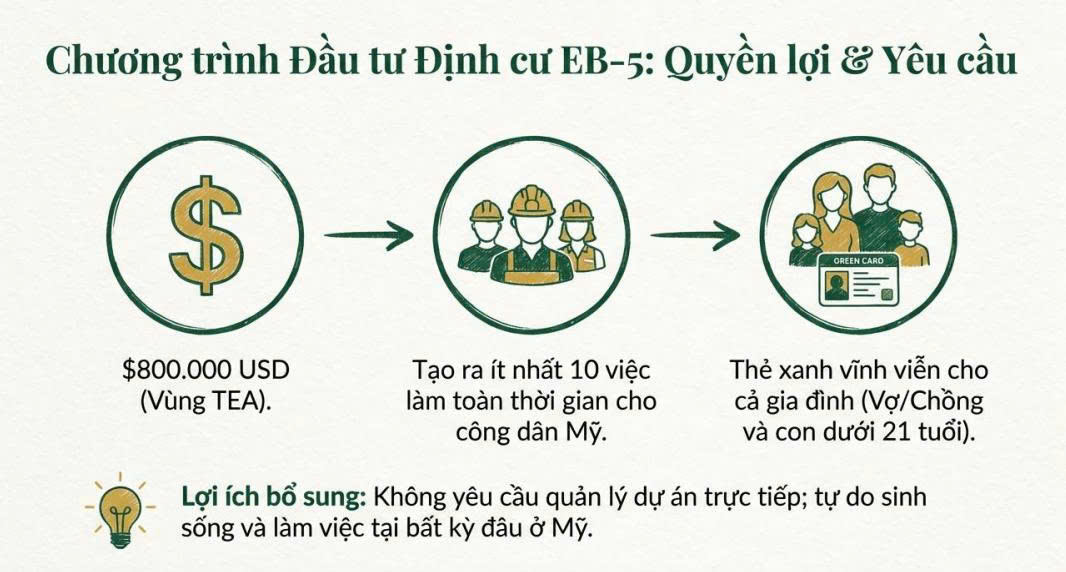
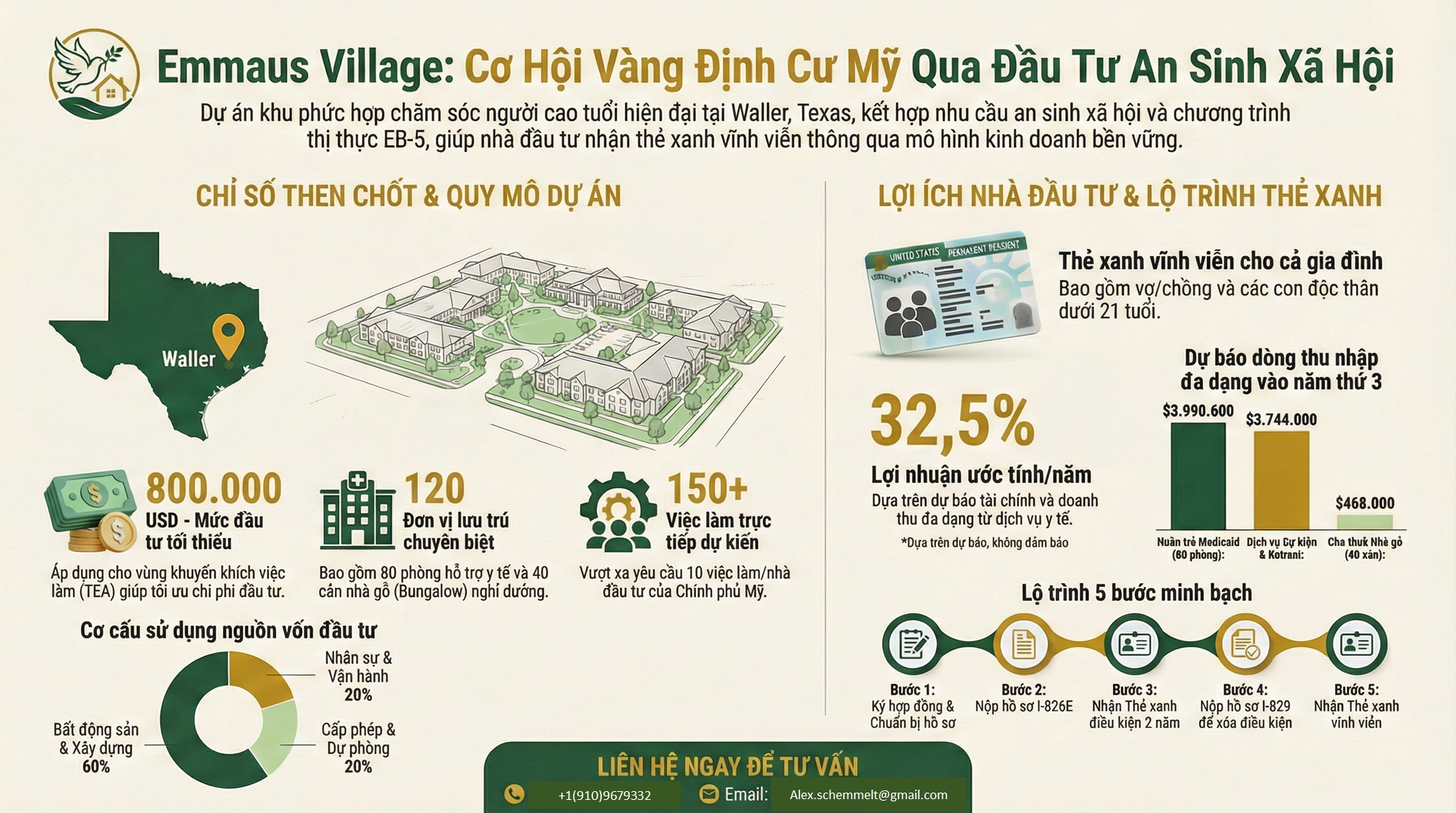
Since the inception of the EB-5 Reform and Integrity Act of 2022 (RIA), capital flow into Rural Area projects has become the top priority for investors. The primary reason lies not only in the lower investment threshold ($800,000) but also in the superior document processing speed. This article provides a detailed analysis of the roadmap and rural EB-5 processing time to give investors the most realistic perspective before making a decision.

Mục lục
Under new regulations, the U.S. government reserves 20% of the annual EB-5 visa quota specifically for rural projects. This creates a "priority lane" entirely separate from urban projects, which are currently facing long-standing backlogs.
For projects like Emmaus Village, being located in a designated rural area allows investors to take advantage of "Priority Processing." This is a commitment from the U.S. Citizenship and Immigration Services (USCIS) to stimulate the economy in areas far from urban centers, significantly shortening the wait time to receive a Green Card.
>>>> See more: Investing in Emmaus Village: An EB-5 Project with I-956F Approval for Capital Safety
Understanding the rural EB-5 processing time requires investors to master the sequence of steps from preparation to receiving a permanent Green Card.
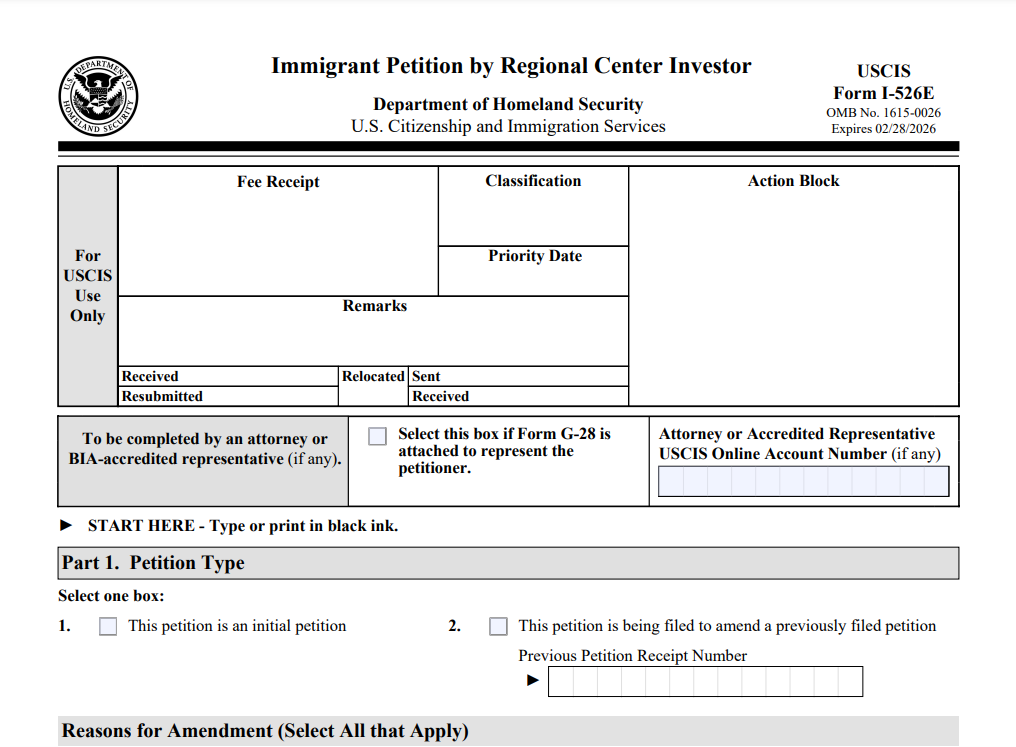
This is the most critical stage. Form I-526E is the immigrant petition for regional center investors.
• Case processing: USCIS has committed to prioritizing resources for the rural category. As of April 2026, many investors are receiving approvals in just 6 to 10 months.
• Deciding factors: Speed at this step depends on the transparency of the Source of Funds (SOF) documentation. If the documents are clean and the project (Form I-956F) has been pre-approved, the time will be maximized.
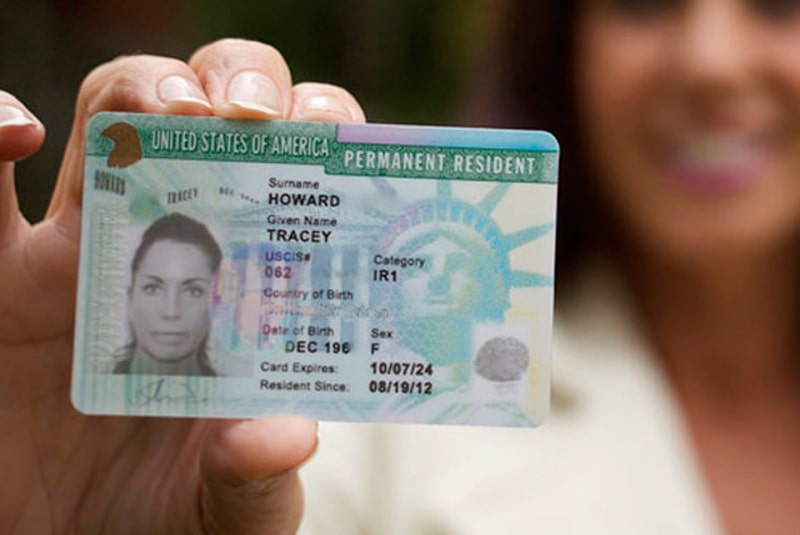
Once the I-526E is approved, the investor enters the stage of receiving a conditional (2-year) Green Card.
• If the investor is outside the U.S. (e.g., Vietnam): The file is transferred to the National Visa Center (NVC) for an interview at the Consulate. This typically takes 8 - 12 months.
• If the investor is already in the U.S.: You can utilize the "Concurrent Filing" policy (filing I-526E and I-485 simultaneously). This allows you to receive an Employment Authorization Document (EAD) and Advance Parole (AP) in just 3 - 6 months, enabling your family to live and work in the U.S. while waiting for Green Card approval.
After 21 months of residency with a temporary Green Card, the investor files Form I-829 to prove the investment has been maintained and the project has created at least 10 direct or indirect jobs.
While I-829 processing times are often lengthy, at this point, the investor and their family have already fully settled in the U.S. with all the rights of a permanent resident.
>>>> See more: Rural EB-5 Projects 2026 and the Fastest Opportunity for U.S. Residency
The difference in rural EB-5 processing time compared to High Unemployment Area (HUA) urban categories is not accidental but stems from the legal structure:
– Separate waiting lines: The 20% visa set-aside for rural areas is substantial compared to current demand. While the urban category only has 10% and is overloaded with applicants from countries like China and India, the rural category remains "Current" on the Visa Bulletin.
– USCIS priority mandate: The Department of Homeland Security has issued memos requiring USCIS to prioritize the adjudication of rural projects to quickly bring capital into production and create jobs for distressed areas.
– Lower Request for Evidence (RFE) rates: Rural projects often have simpler and clearer capital structures, making it easier for adjudicators to verify, thereby accelerating approval speeds.
>>>> See more: Latest 2026 Rural I-526E Priority Processing Updates
Despite government priority, rural EB-5 processing time can still vary between individuals due to the following factors:
• Project legality: If a project has an approved I-956F from USCIS, individual I-526E petitions are approved faster because the agency does not need to re-evaluate the project structure.
• Immigration lawyer expertise: Arranging Source of Funds documents in a logical, easy-to-understand manner reduces RFE risks and avoids processing disruptions.
• Application volume: Although currently fast, if the volume of rural applicants surges in the latter half of 2026, processing times may be adjusted slightly upward.
To ensure your rural EB-5 processing time meets expectations, investors should keep in mind:
♦ Decide early: File early to secure a spot in the priority queue before visa quotas are filled.
♦ Choose transparent projects: Projects like Emmaus Village, with full documentation of their contribution to the local economy and clear job creation plans, are a major plus for USCIS.
♦ Be financially ready: Transferring investment funds quickly and in compliance with regulations ensures the petition is completed and submitted to USCIS as soon as possible.
With current priority policies, rural EB-5 is the choice for shortening processing times. By preparing correctly from the start and choosing a suitable project like Emmaus Village, investors gain a significant advantage in the U.S. Green Card process. Contact Emmaus Village today for a 1-on-1 profile assessment and a detailed roadmap for your rural EB-5 processing time.
EMMAUS VILLAGE
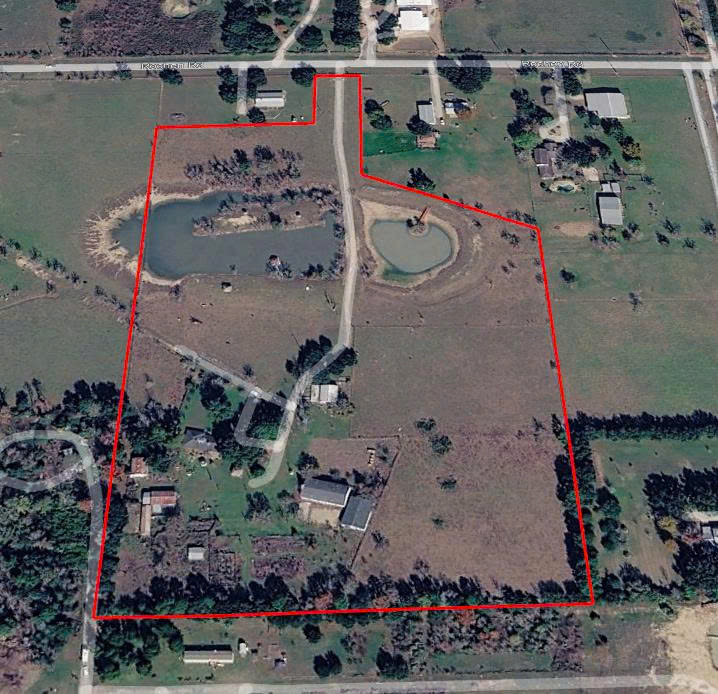
Address: 31831 Rochen Road Waller, Texas
Mr. Alexander Schemmel – Project Manager
Hotline: +1(910) 9679332
Email: alex.schemmalt@gmail.com
Mr. Khai – Vietnam Customer Support
Hotline: 0945255525
Email: john.emmausvillage@gmail.com
Website: emmausvillage.net
Related Searches
US $800,000 investment immigration
2026 EB-5 TEA investment levels
EB-5 Grandfathering protections
EB-5 investment return interest rate
How long is rural EB-5 processing time?