


Receiving a Request for Evidence (RFE) from the U.S. Citizenship and Immigration Services (USCIS) often causes anxiety for many investors. However, in the context of 2026, an RFE is not a rejection; rather, it is an opportunity for you to clarify points of doubt in your file. Since the approval rate after a successful RFE response remains very high, the most important thing is that you need a calm, precise, and professional response strategy.
Mục lục
The first step upon receiving an RFE is to coordinate with your immigration attorney to "decode" the specific reasons provided by the USCIS officer. In 2026, requests for additional evidence typically revolve around two main groups of issues:
– Transparency of the Source of Funds (SOF): USCIS is tightening the inspection of tax records and cash flows from 5–7 years ago. The RFE may require you to explain in more depth your business profits, the origin of inherited assets, or the legality of loans used for the investment.
– Capital Path of Funds: Immigration officers require "ironclad" evidence showing that your $800,000 was transferred from your personal account in Vietnam to the project account in the U.S. without interruption. Any "gap" in bank statements can lead to an RFE.
The best strategy at this point is "more is better than less." Do not just respond with explanations; respond with physical evidence: tax receipts, bank confirmations, business registration files, or independent audit reports. Particularly under the new 2026 policies, providing a coherent "Capital Path Narrative" will help the immigration officer approve the file more easily.
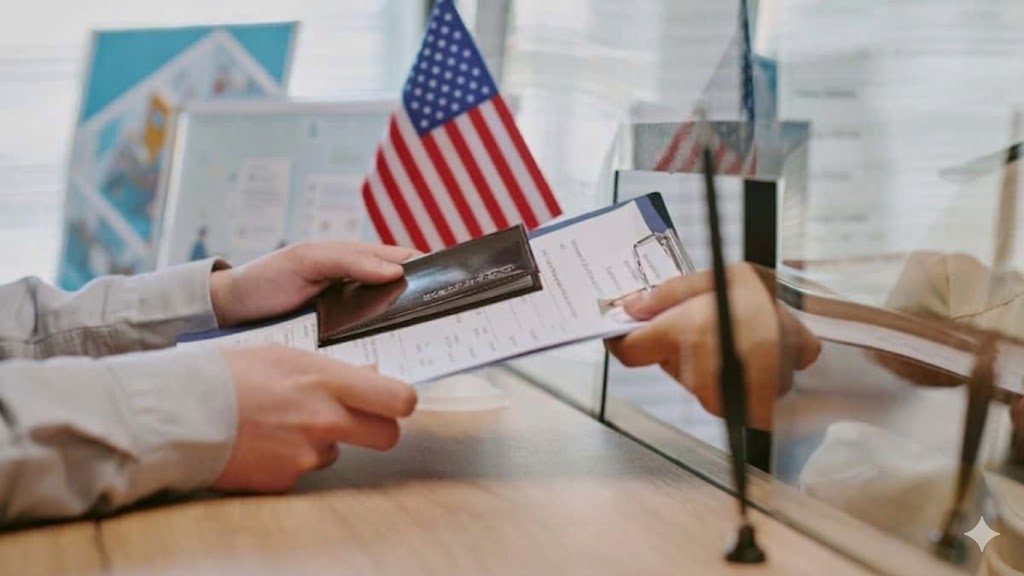
Timing is a vital factor in processing an RFE. Typically, you will have between 30 and 90 days to respond. In 2026, USCIS applies a file management process based on new technology; therefore, submitting a file even one day late or having a file that lacks consistency will lead to the risk of an immediate denial.
To ensure the highest success rate, you should note the following:
– Absolute consistency: All newly added evidence must perfectly match the information previously submitted in the I-526E/I-829 petition. Contradictions between filings are the biggest hurdle that causes USCIS to doubt the applicant's honesty.
– Utilizing expert opinions: If the RFE relates to complex financial or economic issues of the project, ask your attorney to include an "Expert Opinion Letter." Insights from reputable economists or auditors will significantly increase the weight of your response.
– Scientific translation and presentation: All Vietnamese evidence must be notarized and translated by qualified units. The response package should be presented with a clear Table of Contents, helping the immigration officer find the necessary information in seconds.

Handling an RFE is a technical process that requires meticulousness and a deep understanding of current U.S. immigration laws. Instead of worrying, investors should view this as the final step to consolidate the safety of their family's green cards. With a strong body of evidence and professional consulting, a successful RFE response will be a solid stepping stone for you to receive your U.S. immigration approval in 2026.
EMMAUS VILLAGE
Address: 31831 Rochen Road Waller, Texas
Mr. Alexander Schemmel – Project Manager
Hotline: +1(910) 9679332
Email: alex.schemmalt@gmail.com
Mr. Khai – Vietnam Customer Support
Hotline: 0945255525
Email: john.emmausvillage@gmail.com
Website: emmausvillage.net